Spotting trouble before it spreads
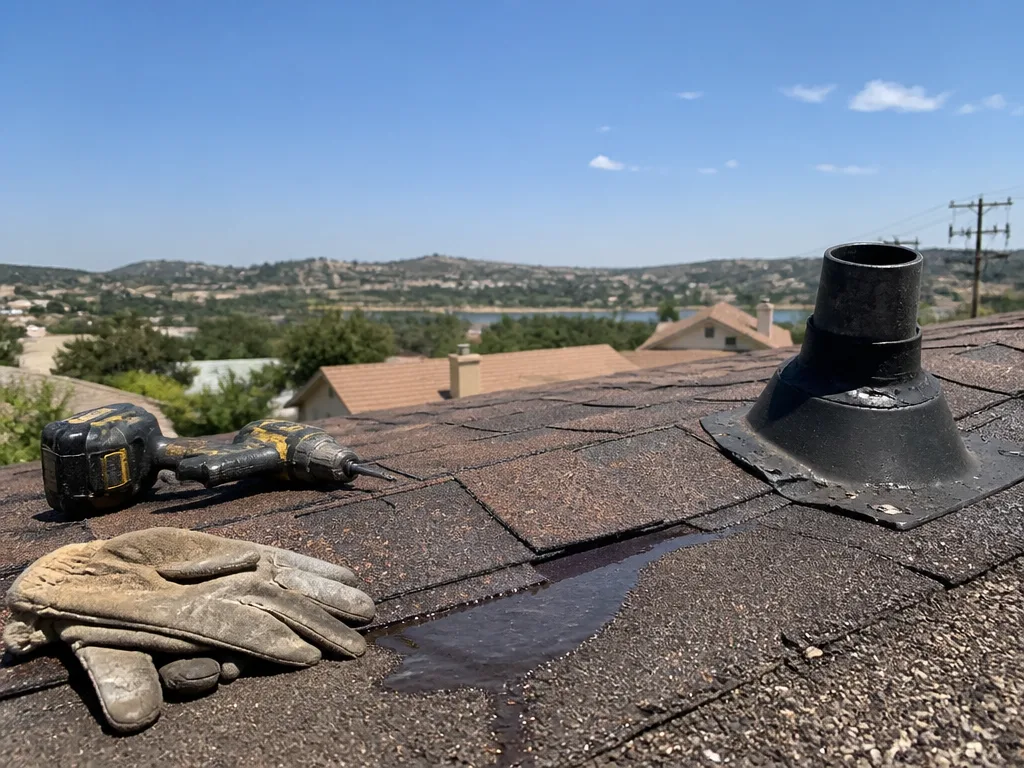
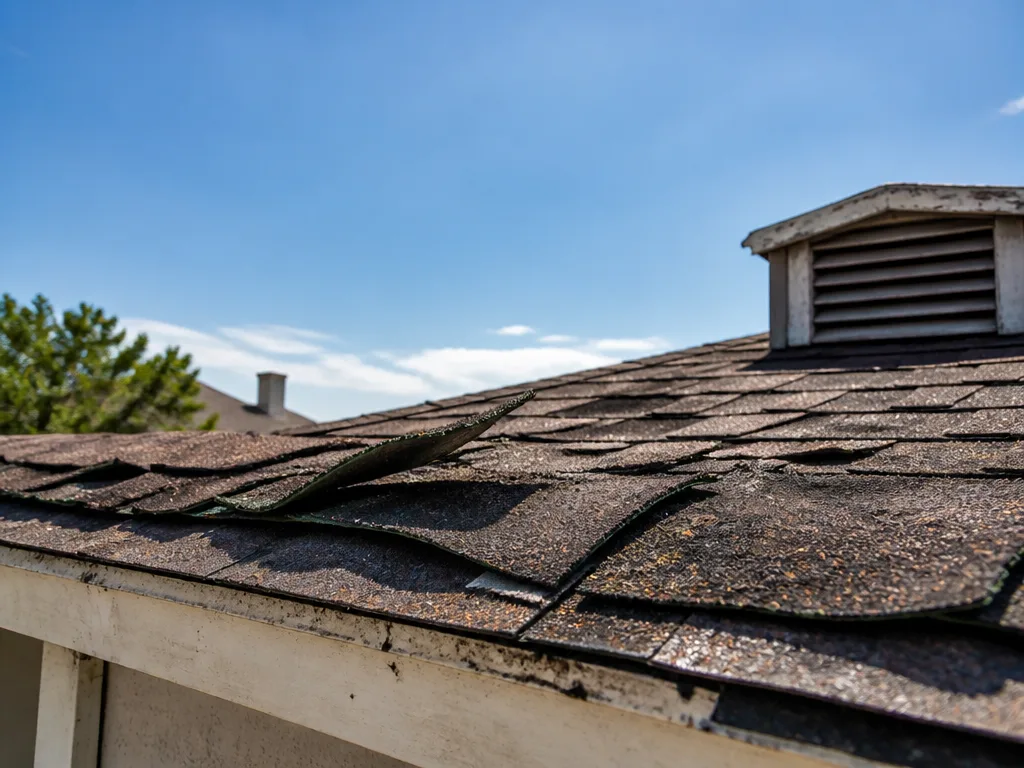
Across Texas, roofs endure sun, wind, and sudden storms. Homeowners should start with a simple walk around the property. Look for curled or buckled shingles, lifted edges, and dark stains on the decking from moisture. These signs aren’t just cosmetic; they point to possible damage that, left unchecked, can lead to leaks or structural stress.
Inside the attic, check for signs of water intrusion such as damp insulation, staining along the sheathing, or a musty odor. A small drip can turn into a larger problem after a few heavy Texas storms. If you notice any of these indicators, it’s time to assess the situation with a roofer’s eye rather than delaying the call.
Why these signs show up in Texas weather
Texas crews see wide temperature swings, high heat, and rapid rain. Shingle materials expand and contract with heat, which can cause edges to lift. Heavy downpours test seals around flashing and joints. Over time, UV exposure can dry out sealants and asphalt, making roofing components more prone to leaks. Recognizing the pattern helps homeowners act sooner.
Wind-driven rain can catch homeowners off guard. A storm may expose vulnerabilities at valleys, penetrations, or chimney flashings. If a single storm leaves a few shingles loose or backs up inside a gutter, those are early red flags you don’t want to ignore.
What to do when you spot a warning sign
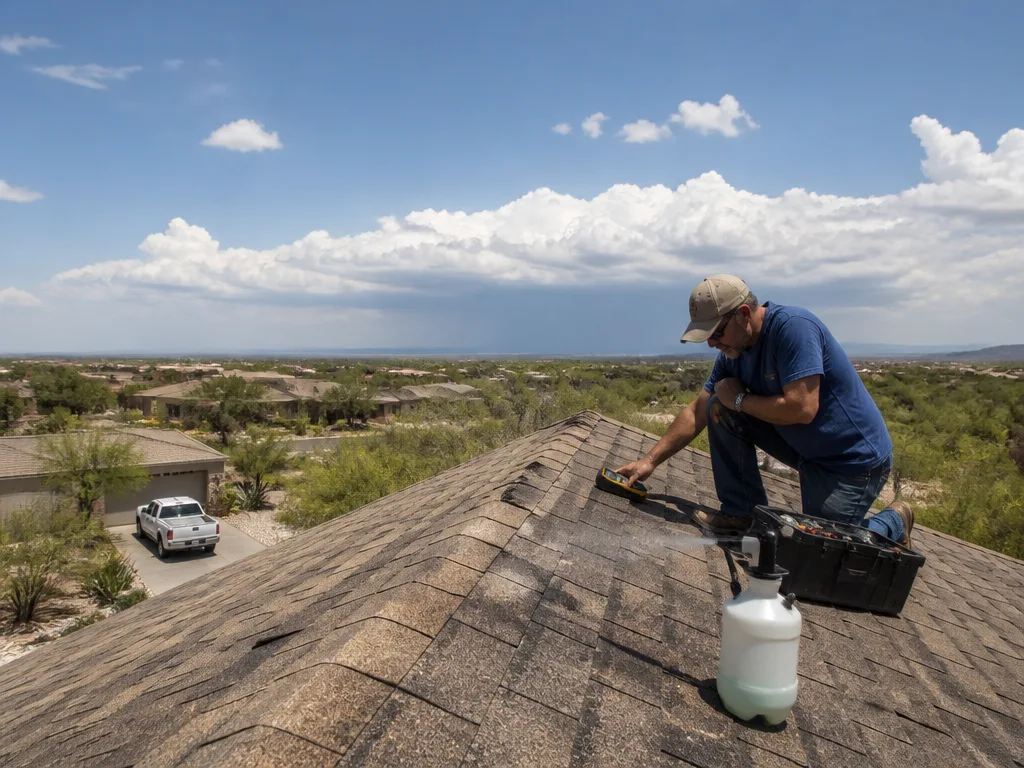
Document what you see with photos and notes. Then call Texas Seamless Gutters for a professional assessment. A roofer will inspect the underlayment, flashing, and ventilation to identify the root cause. In many cases, a targeted repair is enough to extend the life of the roof.
Keep a regular eye on the roof after severe weather. Texas homeowners should schedule a post-storm inspection after any heavy rain or hail. A quick check can stop a small issue from becoming a costly repair later.
Progression signs to watch for
Moisture in the attic is usually a sign something is off. In Texas, a leak might show up as darkened ceiling spots or a musty odor. If you notice peeling interior paint near a vent or light, that’s a cue to call in a roofer for a closer look. Routine seasonal checks are a smart habit for statewide coverage.
In short, attentive homeowners catch problems early. When you see curling shingles, damp insulation, or moisture in the attic, contact a roofer to evaluate the roof’s condition and plan a practical repair or replacement path.